
The Battle of Gig Harbor, Sept. 20, 2023
My foreman at Kenmore Air Harbor (where I was a seaplane mechanic) grew up in Gig Harbor, Washington. He told me this story.
The https://www.historylink.org/file/21084 Judge Boldt Decision in February of 1974 gave most of the fish in Puget Sound to the local Indian tribes. The local fishermen of European ancestry were not happy about this decision.
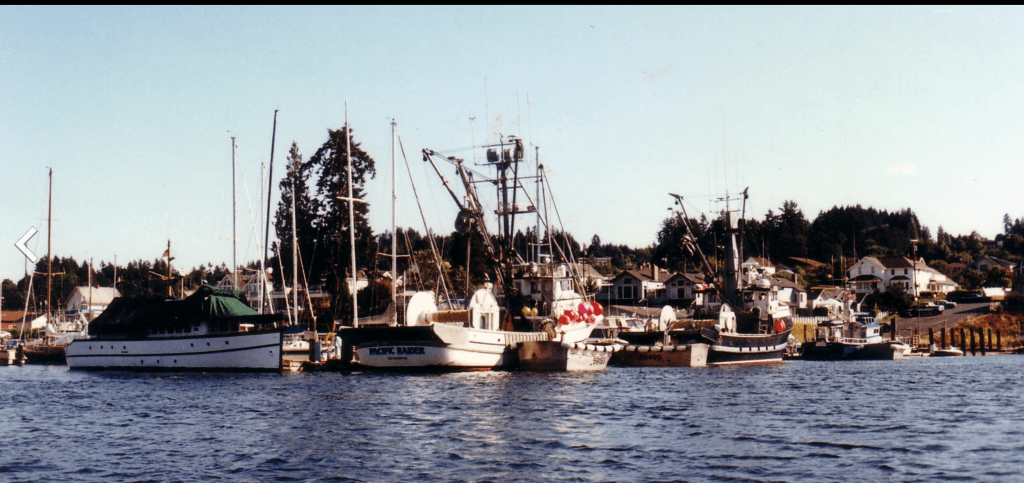
Gig Harbor is a nice town on Puget Sound south of Seattle and north of Tacoma. It has about 12,000 residents. Almost the exact same size as Healdsburg.
But I digress.
In 1792 Captain George Vancouver of the British Royal Navy became the first European explorer to navigate Puget Sound. He spent two months on the sound mapping and exploring. Vancouver Island and Vancouver, Washington are named after him.
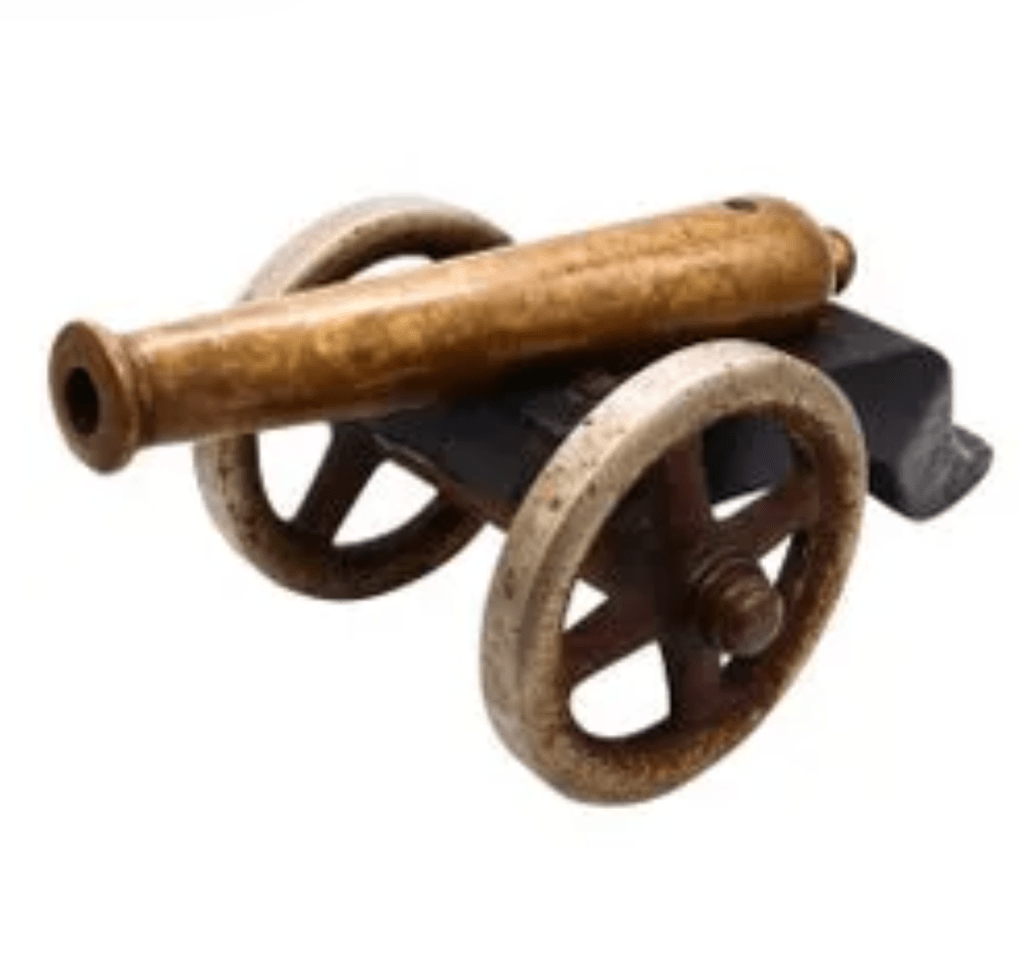
For some reason, the signal cannon on Captain Vancouver’s sailing ship ended up in the museum in Gig Harbor.
A signal cannon is very small. By its name, one can tell it was only used to say, “Hello. You better stop your ship or trouble will ensue.”
In 1974 the fishermen in Gig Harbor were angry about the Boldt Decision giving the salmon and trout to the Indians.
That summer the fishermen couldn’t fish and were drinking in the harbor bar. One of the fishermen was a gun guy. He had noticed the signal cannon in the museum.
Fisherman 1: “I think that signal cannon in the museum is about the same caliber (size) as a soup can. What if we steal the cannon and make some shells of concrete using a soup can as a form?”
Fisherman 2: I have plenty of black powder for my musket. We could use the powder to make a charge. (Fisherman 2 liked to engage in Civil War re-enactments).
So a plan was hatched. Fisherman 3 had a sister-in-law with access to the museum. She gave them the key.
Late one night the fishermen went into the museum and loaded the signal cannon into a pickup truck. They drove it to Fisherman 1’s garage.
Fisherman 1: We need to test the cannon first to see if it works. July 4th is this Saturday. I say we load the signal cannon with some black powder and toilet paper rolls. We put the cannon in the back of the pickup truck and fire the toilet paper rolls over the harbor. We’ll use a six-foot lanyard so if the cannon blows up, no one is hurt.
And thus it was so. At dusk the pickup truck loaded with the signal cannon was backed up to the harbor and loaded. The lanyard was pulled. The fuse was lit and flaming toilet rolls went across the sky over Gig Harbor.
Fisherman 1 got busy making concrete “shells” using the soup cans.
Fisherman 2 got busy making black powder charges in muslin bags.
…
The following weekend the three fishermen decided, after several rounds of drinks at the harbor bar, to put the signal cannon in a motorized dinghy and take it out to the fishing grounds. (None of the fishermen had access to their fishing boats as the Fish & Game Department had forbidden using them. The fish were for the Indians.)
And there we have the scene. Three drunken fishermen in a skiff with a loaded signal cannon from 1792 went out to do battle with the US Coast Guard.
For yes, the US Coast Guard had a cutter protecting the Indian fishermen as they harvested the salmon and trout with their nets.
The fishermen in the skiff saw the Coast Guard cutter and sent off a round of soup can concrete shot in their direction.
The Coast Guard crew manned their 50 caliber machine gun mount and sent a burst of gunfire across the bow of the skiff.
Thus ended the Battle of Gig Harbor.
…
The signal cannon was returned to the museum. The fishermen were fined and let off with a caution.
The Indians laugh about it, as does the Coast Guard, to this day.
TJM

 Timmy Tae's Thoughts